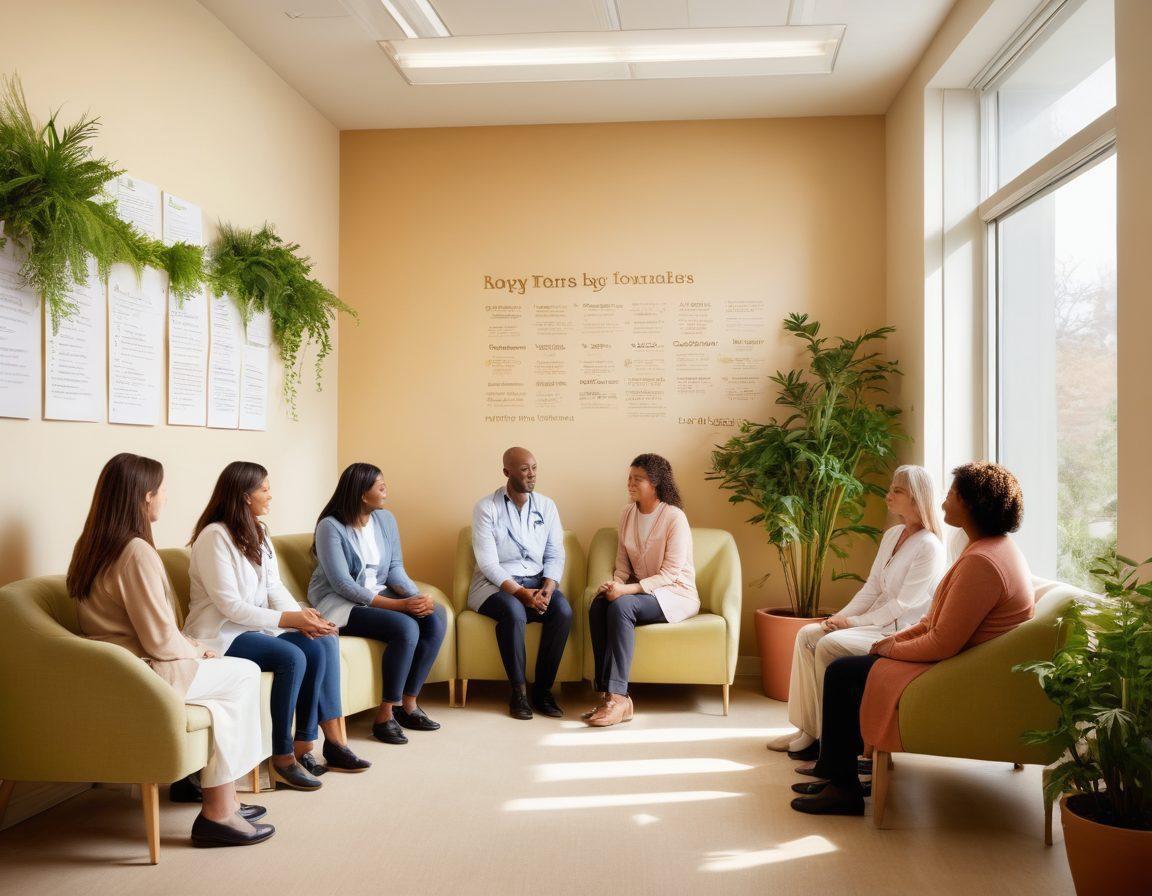
Navigating Cancer Care: Empowering Insights for Patients and Advocates
When faced with a cancer diagnosis, the world can feel like a whirlwind of uncertainty and fear. It’s like stepping onto an unexplored path where the signs are hard to read, and you find yourself questioning, 'Where do I even begin?' This is where empowering patients with essential cancer resources and support comes into play. Navigating through cancer care can be daunting, but armed with the right information, you can transform anxiety into action. Remember, knowledge is power, and as you embark on this journey, it’s vital to equip yourself with the resources that not only inform but also empower.
Imagine standing at a crossroads, with a myriad of options stretched out before you. It’s an overwhelming experience, particularly when it comes to cancer education. You might wonder, 'How do I sift through the noise to find what actually matters?' This is where oncology blogs and health blogs become invaluable. They serve as your trusted compasses in a sea of medical information, offering insights from oncologists that can help clarify your decisions. For instance, learning about the latest cancer therapies or clinical trials may illuminate paths you hadn’t considered before. Let this knowledge guide you as you navigate your cancer journey.
Moreover, connecting with cancer support groups is not just a suggestion—it's a lifeline. These communities foster a sense of belonging, reminding you that you are not alone in this fight. Have you ever spoken to someone who understands exactly what you’re going through? That moment of connection can be incredibly healing. Engaging with patient advocacy allows you to share your story, feelings, and struggles, and in turn, you become part of a collective force driving awareness and change in cancer care. It’s a powerful way to foster wellness, not just for yourself, but for others grappling with similar challenges.
As you immerse yourself in the wealth of cancer resources available, consider the lifestyle choices that intertwine with your health. Did you know that nutrition plays a vital role in cancer survivorship? In fact, integrating cancer nutrition into your daily routine can enhance your well-being and resilience during treatment. Coupled with psychosocial support, a balanced lifestyle creates a strong foundation as you combat cancer. Shed the myths surrounding alternative treatments and focus on holistic wellness; explore what works best for you while staying informed through credible channels.
Lastly, let’s talk about cancer detection and awareness. Early diagnosis can greatly influence treatment outcomes, making it imperative to stay educated about cancer statistics and risk factors. Participate in health awareness campaigns, schedule regular check-ups, and advocate for your own health. By doing so, you not only safeguard your well-being but also become a beacon of hope for others. Remember, you have the power to shape your cancer journey; the resources and support are out there, waiting for you to reach out and embrace them. Your health is a shared mission, and together, we can impact the world of cancer care.
Understanding Cancer Therapies: Insights from Oncologists and Survivors
In the realm of oncology, the journey through cancer care is one filled with uncertainty, fear, and sometimes hope. How can we — as patients, advocates, and family members — equip ourselves with the right knowledge to navigate this challenging terrain? Understanding cancer therapies forms the cornerstone of this experience. With insights from oncologists and stories from survivors, we begin to unravel the complex web of medical information surrounding cancer treatment. This journey is not just about medical procedures; it's about connecting with those who have traveled before us and tapping into the resources that can guide us forward.
When faced with a cancer diagnosis, the sheer amount of information available can feel overwhelming. Oncologists often serve as the guiding lights in this darkness, providing oncologist insights that are crucial for informed decision-making. One oncologist emphasized, "Knowledge is power. The more you understand about your cancer therapies, the more empowered you become in your treatment journey." This rings especially true as patients delve into various options such as chemotherapy, radiation, surgery, and emerging clinical trials. Engaging with health blogs dedicated to cancer education can help demystify complex terms and procedures, fostering a sense of confidence when entering those consultation rooms.
But let’s not forget the invaluable role of cancer support groups in this landscape. Many survivors stress how pivotal these communities were during their treatment phases. Picture this: a room filled with individuals who share not only the same fears and anxieties but also triumphs and coping strategies. It's here that you can find psychosocial support that is crucial for emotional well-being. As one survivor put it, "I found hope in every shared story, and that made my journey feel less solitary." If you're new to the world of cancer, consider seeking out these groups – they are more than just circles of support; they are lifelines to resilience and empowerment.
As we reflect on individual experiences and gather insights on cancer survivorship, we arrive at a powerful question: how do lifestyle choices impact our journey with cancer? Your nutrition, fitness, and mental wellness enmesh beautifully with traditional cancer therapies and can greatly enhance both your quality of life and your treatment effectiveness. There is growing evidence that lifestyle and cancer are intricately linked, with nutrition playing a key role. Exploring alternative treatments alongside conventional strategies might just open up new pathways in your healing process. Remember, every small change can contribute to a larger impact on your health.
Lastly, becoming a patient advocate not only enriches your own experience but also paves the way for others. By sharing your story through cancer education platforms and connecting others with vital cancer resources, you help foster a culture of awareness. The more we speak about our journeys, the more we illuminate the path for those still wandering in the shadows of cancer. Let’s keep the conversation going — What lessons have your trials taught you that could inspire another? This dialogue is essential in building a future where cancer care is accessible, informed, and compassionate. In every challenge, there's a glimmer of hope waiting to be uncovered.
Advocacy in Action: How Patients Can Navigate the Journey to Healing and Wellness
Every year, millions of people find themselves navigating the complex journey of cancer care. This labyrinth can be overwhelming, yet it is also filled with opportunities for patients to become their own advocates. How can a patient transform from being a passive recipient of care into an empowered advocate for their health and wellness? Welcome to the world of cancer advocacy! This journey is not just about surviving; it’s about thriving, and today, we’re diving deep into how patients can navigate this intricate landscape to reclaim their health and vitality.
Imagine standing in a room filled with oncologists, social workers, and nutritionists, each equipped with the latest medical information ready to share. As a patient, it’s easy to feel lost in the jargon and clinical terms used in discussions about cancer therapies and treatment options. However, an essential first step in advocacy is to ask questions. Questions are a powerful tool. They not only demonstrate your engagement but also allow you to gain clarity about your health. Encouraging quotes like, "The only stupid question is the one you don’t ask," resonate here, reminding patients that every query is a step towards informed decision-making.
One of the most effective tools in the arsenal of patient advocacy is connecting with others. Joining cancer support groups can provide invaluable psychosocial support. These groups are sanctuaries where shared experiences create bonds that empower and uplift. If you're uncertain about where to start, look for local organizations or online platforms that focus on cancer education and survivorship. Engaging with advocacy networks can also open doors to clinical trials and alternative treatments that align with your lifestyle and cancer treatment goals.
Moreover, understanding cancer statistics can be incredibly empowering. Realizing that advancements in cancer detection and therapies have improved survival rates significantly can instill hope. For instance, did you know that research shows that adopting a healthy lifestyle positively influences cancer outcomes? Nutrition is crucial; thus, exploring cancer nutrition can be transformative. What's on your plate matters, and embracing wellness, not just as a absence of disease but as a holistic approach, can lead to sustained recovery and a better quality of life.
Lastly, remember that advocating for oneself involves knowing when to lean on resources and help from others. Utilize cancer resources, whether they are online oncology blogs or health blogs that focus on purpose-driven cancer advocacy. Your courage to reach out can lead to unexpected partnerships that navigate this journey together. So, what will it be—will you choose to step into this role of advocacy? Your health can take on new meaning, transforming this chapter of cancer care into a narrative of empowerment, resilience, and triumph.